
Favorite Concrete Landscape Edging Options For Durable Garden Borders
Choose from a selection of popular concrete edgings that provide structure and style to your landscape projects.
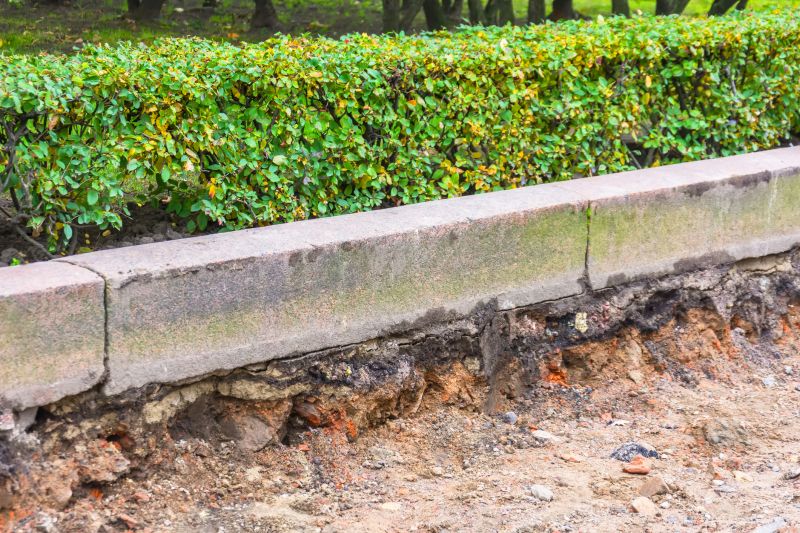 Concrete landscape edgings serve as a practical and aesthetic boundary between different areas of a landscape, such as flower beds, lawns, walkways, and driveways. They help contain soil, mulch, or gravel while providing a clean, defined look to outdoor spaces. These edgings are valued for their durability and ability to withstand outdoor elements, making them a popular choice for both residential and commercial landscapes.
Top Overall Option
Concrete Landscape Edging System
A versatile concrete landscape edging system typically features modular panels or flexible strips that can be shaped to fit various landscape contours. These systems often include easy-to-install components that allow for customization in height, length, and design, making them suitable for a wide range of landscape projects. Their durable construction and weather resistance contribute to long-term performance, providing a clean boundary that maintains its appearance over time.
Types of Products For Concrete Landscape Edgings
Precast Concrete Edging Blocks
Solid blocks that can be laid end-to-end to form straight or curved borders, available in various textures and finishes.
Flexible Concrete Edging Strips
Flexible strips that contour easily around curves and irregular shapes, ideal for creative landscape designs.
Concrete Edging Curb Stones
Curved or straight curb stones designed for more substantial borders, often used in driveways or pathways.
Decorative Concrete Edging
Edgings with decorative patterns, textures, or embedded colors to enhance visual appeal.
Cast-in-Place Concrete Edging
Custom-shaped concrete borders poured directly into molds on-site for tailored landscape boundaries.
Concrete Border Edging with Inlays
Borders featuring embedded stones, bricks, or other decorative elements for a unique look.
Split-Block Concrete Edging
Split or broken concrete blocks that provide a rustic, natural appearance for landscape borders.
Interlocking Concrete Edging
Interlocking pieces that create a seamless, stable border with minimal gaps.
Raised Concrete Edging
Elevated borders that define planting beds or walkways with added height for visual interest.
Embedded Concrete Edging
Edging designed to be partially embedded into the ground for a flush, integrated look.
Split-Concrete Edging
Textured, split concrete pieces that mimic natural stone for a rugged appearance.
Color-Stamped Concrete Edging
Concrete borders with stamped patterns and color enhancements for decorative effects.
Textured Concrete Edging
Borders with textured surfaces to add visual interest and slip resistance.
Concrete Edging with Integrated Lighting
Borders designed with built-in lighting features for illuminated landscape boundaries.
Eco-Concrete Edging
Environmentally conscious options that utilize recycled materials or permeable designs.
Popular Choices
Precast panels that connect easily for creating continuous borders around garden beds and pathways.
Flexible strips that adapt to curves and irregular shapes, offering versatility for various landscape designs.
Sturdy curb stones designed to define driveway edges and prevent soil erosion.
Textured borders that add visual interest and complement different landscape styles.
Custom poured borders that conform to specific landscape contours and designs.
Borders with embedded stones or decorative elements for a personalized touch.
Rugged, split concrete blocks offering a natural, rustic appearance for garden borders.
Interlocking pieces that simplify installation and ensure stability for long-lasting borders.
Elevated borders that help contain soil and add dimension to planting areas.
Permeable options that allow water flow, suitable for managing drainage around landscapes.
Borders with stamped patterns and vibrant colors for enhanced visual appeal.
Borders with various textures and patterns to match different landscape aesthetics.
Borders with built-in lighting features to illuminate pathways and garden features.
Most concrete landscape edgings are made from precast concrete materials, which can be molded into various shapes, sizes, and textures to complement different landscape styles. Some designs incorporate decorative patterns or colors to enhance visual appeal, while others prioritize functionality with simple, straightforward profiles. Installation methods vary from simple staking to more involved setting in concrete, depending on the product type and landscape needs.
When selecting concrete landscape edgings, it is essential to consider factors such as the durability of the material, ease of installation, aesthetic compatibility with the existing landscape, and maintenance requirements. Proper installation ensures that the edging maintains its shape and function over time, resisting shifting or cracking caused by ground movement or weather conditions. Additionally, some products are designed for easy DIY installation, while others may require professional assistance.
Overall, concrete landscape edgings offer a versatile solution for creating neat, long-lasting borders that can enhance the overall appearance of outdoor spaces. They are available in a wide range of styles and configurations, allowing homeowners and landscapers to customize their landscape designs effectively. By choosing the right type of edging, users can achieve a polished look that complements their landscape while providing functional separation and containment.
Key Buying Considerations
- Material durability and resistance to weathering for long-term use
- Ease of installation, especially if DIY installation is preferred
- Design compatibility with existing landscape style and aesthetic
- Available sizes and shapes to fit specific landscape contours
- Color options and surface textures to match design preferences
- Installation method requirements, such as staking or pouring in place
- Maintenance needs and ease of cleaning over time
- Cost and value relative to the quality and features offered
- Compatibility with other landscape features like lighting or plantings
- Environmental factors like soil type and drainage considerations
- Flexibility for shaping around curves and irregular boundaries
- Availability of modular or customizable options
- Resistance to cracking, shifting, or damage from ground movement
- Potential for decorative embellishments or inlays
- Availability of accessories like connectors or end caps