Concrete Curbing vs. Plastic or Metal Landscape Edging
Choosing concrete curbing or edging helps define landscape spaces and prevent erosion, with local contractors ready to install durable, attractive solutions tailored to your needs.
Visitors exploring the options between concrete curbing and plastic or metal landscape edging are in the right place to find helpful insights. Property owners in the area often consider these choices to enhance curb appeal, define garden beds, and create clear boundaries that stand up to daily wear and weather conditions. Understanding the differences can lead to more informed decisions about which edging type best suits their landscape goals, and local contractors specializing in concrete curbing can offer practical solutions that combine durability with aesthetic appeal.
Choosing between concrete curbing and plastic or metal landscape edging involves weighing factors like longevity, maintenance, and visual impact. Many property owners turn to experienced local service providers who can install concrete curbing that offers a sturdy, low-maintenance option that can be shaped to complement any landscape style. As you continue exploring, you'll find that local pros can provide the expertise needed to help you select and install the right edging to meet your property’s needs and preferences.
- Concrete curbing services are ideal for homeowners seeking durable, long-lasting edging that can withstand heavy use and weather conditions, with local contractors capable of customizing designs to complement landscaping. Plastic or metal landscape edging may be preferred for quick installations or flexible options, and local service providers can help determine the best choice based on landscape needs. When a property requires a permanent, sturdy boundary, local pros often recommend concrete curbing for its strength and visual appeal. For projects needing lightweight, easy-to-install edging, local contractors can install plastic or metal options that offer flexibility and quick setup. Consulting with local pros can help identify whether concrete curbing or alternative edging materials best suit the specific landscape and maintenance preferences.
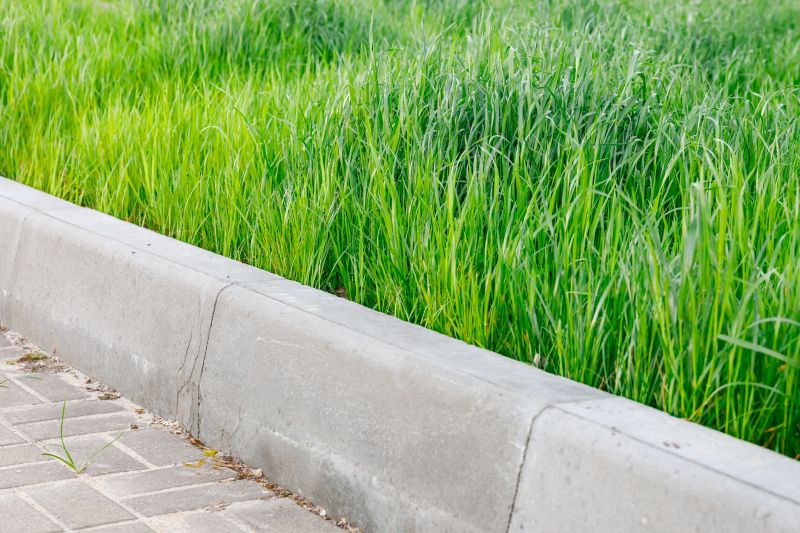
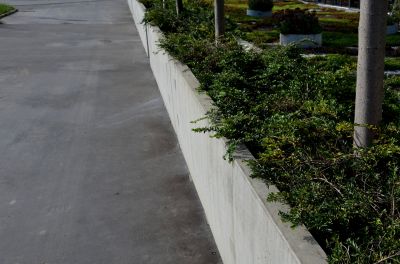
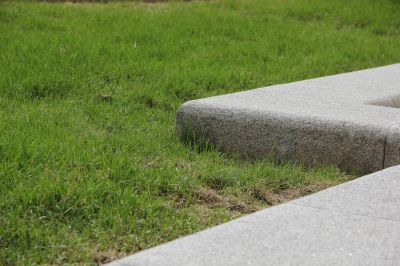
When homeowners search for information about concrete curbing versus plastic or metal landscape edging, they are often trying to determine which option best suits their outdoor project needs. This comparison typically arises during planning for lawn borders, garden beds, or property boundaries. People may be seeking a solution that enhances curb appeal, prevents soil erosion, or provides a clear separation between different landscape features. Understanding the differences between these materials helps homeowners decide which type offers the durability, appearance, and functionality they desire for their property.
The choice between concrete curbing and plastic or metal landscape edging relates closely to specific property issues or design plans. For example, properties that experience heavy foot traffic or require a long-lasting boundary often benefit from concrete curbing’s durability and structural integrity. Conversely, properties with more flexible design preferences or smaller budgets might lean toward plastic or metal edging, which can be easier to install and modify. These options also come into play when addressing problems like soil erosion, weed intrusion, or the need for a neat, defined border that complements the overall landscape design.
The types of properties that commonly involve this decision include residential yards, commercial landscapes, and community parks. Homes with landscaped front and backyards often seek a clean, professional look that concrete curbing can provide, especially when aiming for a permanent, low-maintenance border. Commercial properties and public spaces may prioritize durability and ease of maintenance, making concrete curbing a practical choice. Meanwhile, smaller residential gardens or flower beds might opt for plastic or metal edging due to its affordability and ease of installation. Local landscape service providers can assist property owners in choosing the most appropriate material based on the specific needs and characteristics of each site.
For homeowners considering concrete curbing versus plastic or metal landscape edging, understanding how each material performs in different settings is essential. Concrete curbing offers strength, longevity, and a polished appearance, making it suitable for larger or more prominent landscaping features. Plastic and metal options, on the other hand, tend to be more flexible, lightweight, and easier to install, which can be advantageous for smaller projects or temporary boundaries. Local contractors specializing in concrete curbing and edging can help evaluate the property’s terrain, usage patterns, and aesthetic goals to recommend the best solution. Connecting with these service providers ensures that the chosen edging material aligns with the property’s functional needs and visual style.
Retaining wall construction - skills in building durable structures with concrete or other materials are similar to those used in creating landscape edging and curbing features.
Garden bed installation - planning and installing defined borders around planting areas involves precise measuring and material selection comparable to edging projects.
Driveway and sidewalk paving - laying concrete or other paving materials requires knowledge of surface preparation and finishing techniques relevant to concrete curbing.
Patio and walkway construction - designing and installing paved outdoor spaces involves planning, leveling, and material handling skills akin to landscape edging work.
Landscape grading and leveling - preparing the ground for features like curbing or edging demands expertise in soil assessment and proper surface contouring.
Hardscape feature installation - creating features such as steps, retaining walls, or decorative borders utilizes similar tools and planning as concrete or plastic edging projects.
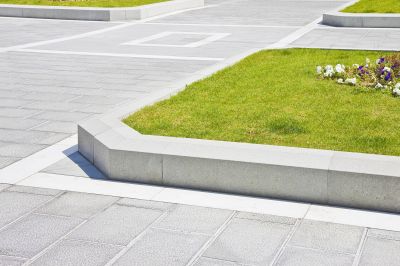
When comparing service providers for concrete curbing versus plastic or metal landscape edging, it is important to consider their experience with similar projects. Homeowners should look for local contractors who have a proven track record in installing the specific type of edging they are interested in, whether it’s concrete or alternative materials. Experienced professionals are more likely to understand the nuances of each material, including durability, installation techniques, and aesthetic considerations, ensuring the finished work meets expectations and withstands the elements over time.
Clear, written expectations are essential when choosing a service provider. Homeowners should seek contractors who can provide detailed descriptions of their scope of work, including the materials used, the installation process, and any maintenance considerations. Having this information in writing helps prevent misunderstandings and ensures that both parties are aligned on project goals. It also provides a reference point for evaluating whether the contractor’s approach aligns with the homeowner’s preferences for concrete curbing or landscape edging.
Reputable references and good communication are key factors in selecting a reliable local contractor. Homeowners are encouraged to ask for references or examples of previous projects similar in scope and material to their own. Listening to feedback from past clients can provide insight into the contractor’s professionalism and quality of work. Additionally, effective communication throughout the process - from initial consultation to project completion - helps ensure questions are answered, expectations are managed, and any concerns are addressed promptly, leading to a smoother experience with the chosen service provider.
Property owners often search for concrete curbing vs. plastic or metal landscape edging when they are planning practical projects around their homes and businesses. Local pros provide Concrete Curbing or Edging Service services for everyday jobs and straightforward project options.
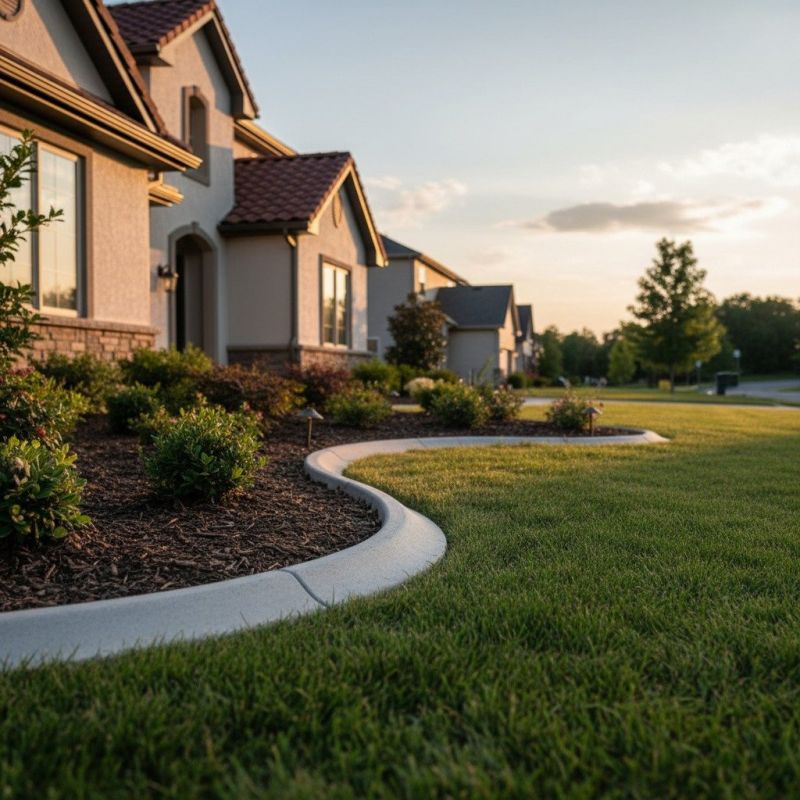
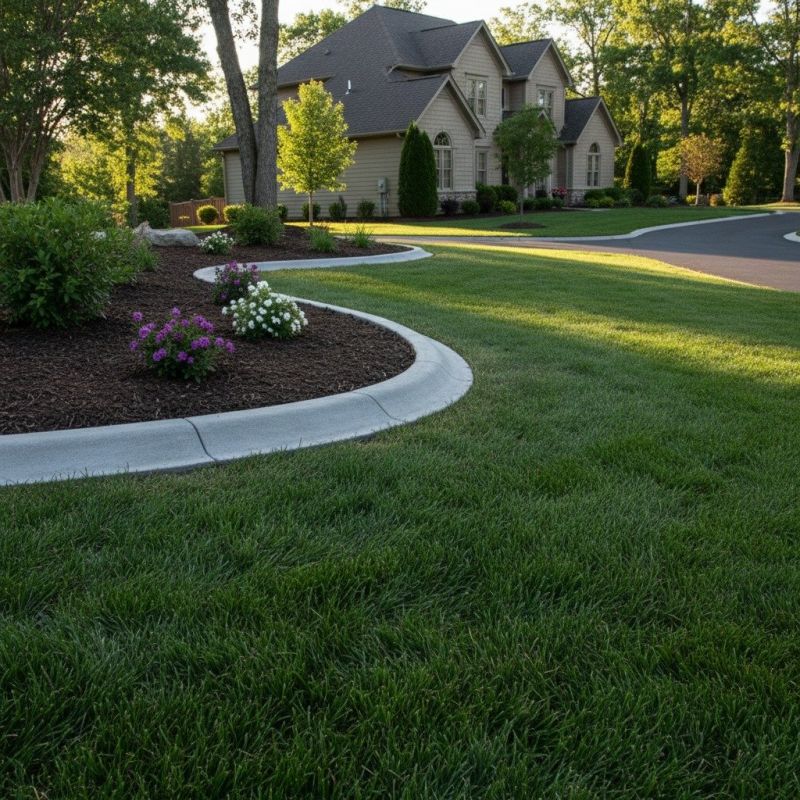
When considering landscape edging options for a home or property, many property owners in the area explore the differences between concrete curbing and plastic or metal landscape edging. Concrete curbing offers a durable, long-lasting solution that can define garden beds, pathways, and lawn boundaries with a polished appearance. It is often chosen for its ability to withstand weather conditions and foot traffic, making it suitable for those looking for a permanent and low-maintenance edging solution. On the other hand, plastic or metal landscape edging tends to be more affordable and easier to install, appealing to property owners seeking a quick and flexible way to contain mulch or define garden spaces without a significant upfront investment.
For everyday projects like updating a yard or creating a clean separation between lawn and planting beds, local contractors can provide expert guidance on which type of edging best suits the specific needs of a property. Whether opting for the strength and permanence of concrete curbing or the simplicity and flexibility of plastic or metal options, experienced service providers can handle the installation efficiently. They help property owners achieve a neat, polished look that complements the overall landscape design, making it easier to maintain and enhancing curb appeal.
How does concrete curbing compare to plastic or metal landscape edging in durability? Concrete curbing is generally more durable and resistant to damage from weather and physical impact than plastic or metal edging, making it a long-lasting option for defining landscape areas.
Are concrete curbing services suitable for different landscape styles? Yes, local contractors can customize concrete curbing to match various landscape designs, providing a more integrated and natural appearance compared to the often uniform look of plastic or metal edging.
What maintenance considerations are there for concrete curbing versus plastic or metal edging? Concrete curbing typically requires less maintenance and is less prone to cracking or warping, whereas plastic and metal edging may need replacement or repairs over time due to wear and weather exposure.
Can concrete curbing be installed around different types of plants and features? Yes, experienced service providers can install concrete curbing to accommodate various landscape features, including flower beds, trees, and pathways, offering more flexibility than plastic or metal options.
How do aesthetics differ between concrete curbing and plastic or metal landscape edging? Concrete curbing often provides a more natural, seamless look that can be shaped and colored to match the landscape, while plastic or metal edging tends to have a more utilitarian appearance.
Choosing durable materials - property owners can work with local contractors to select between concrete curbing and plastic or metal edging based on long-term durability needs for their landscape.
Designing custom borders - local service providers can help design and install concrete curbing or edging that complements existing landscaping features and personal style.
Creating low-maintenance landscapes - homeowners can opt for concrete curbing or metal edging to reduce weed growth and simplify lawn care routines with professional installation.
Enhancing curb appeal - property owners can improve the visual impact of their yard by choosing between concrete or plastic and metal options, with local pros providing expert installation.
If you are thinking about concrete curbing vs. plastic or metal landscape edging for a property, this guide is meant to help you understand this topic, the typical project types, and how different options might fit your plans.
When you are ready, you can use the quote form on this page to share a few details about your project. From there, local pros can review the basics and follow up with options that match what you have in mind.