Best Times for Concrete Landscape Edging
Concrete landscape edgings are a durable and versatile choice for defining garden borders, pathways, and lawn edges. Proper timing for installation ensures optimal results, longevity, and minimal disruption to existing landscaping.
Spring offers moderate temperatures ideal for concrete curing. Installing in spring allows edgings to settle before summer heat or winter cold.
Early summer can be suitable if temperatures are controlled. High heat can cause rapid drying, leading to cracks if not managed properly.
Autumn provides cooler weather, reducing the risk of rapid drying. It is a good time for installation before winter sets in.
Winter is generally unsuitable due to low temperatures and potential for freeze-thaw cycles, which can damage freshly poured concrete.
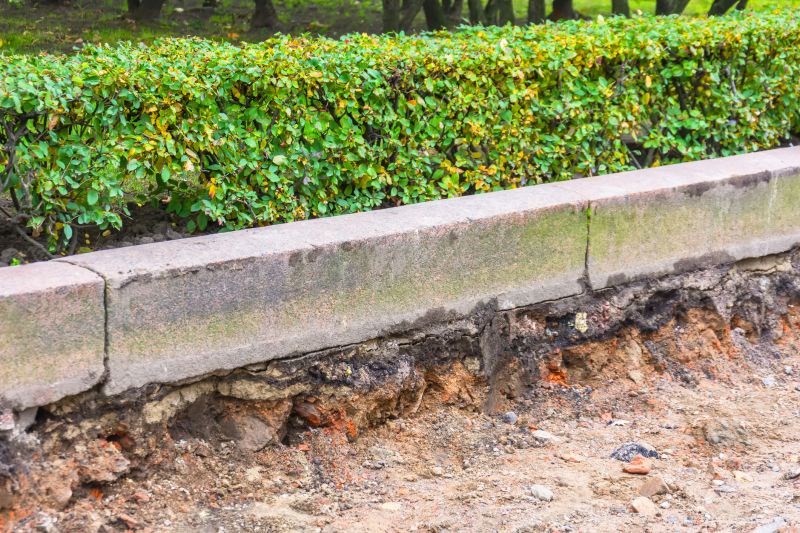
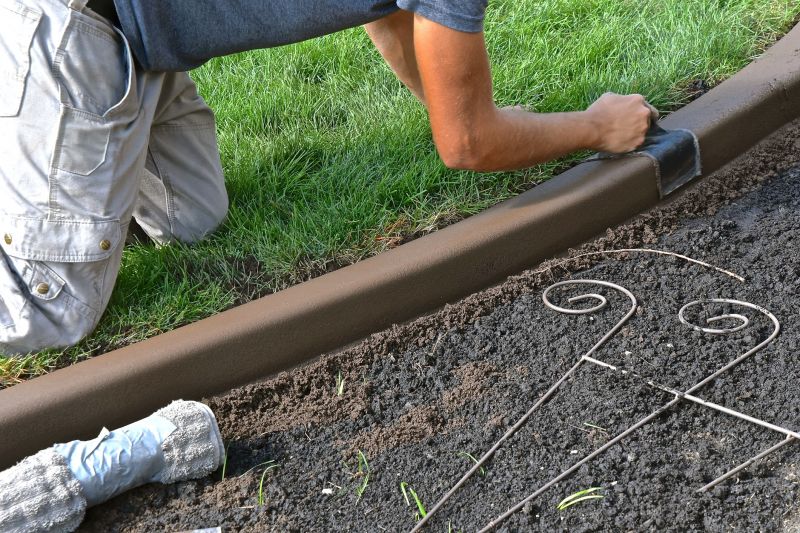
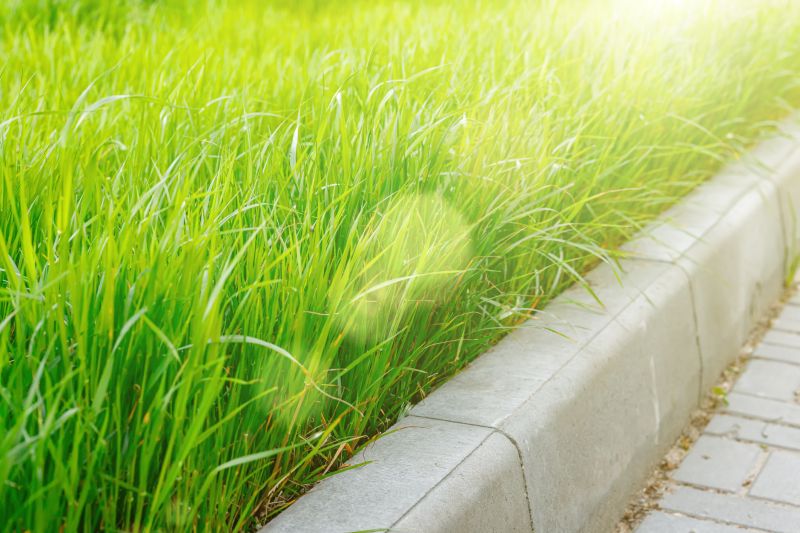
Freshly installed concrete edging with lush greenery in the background.
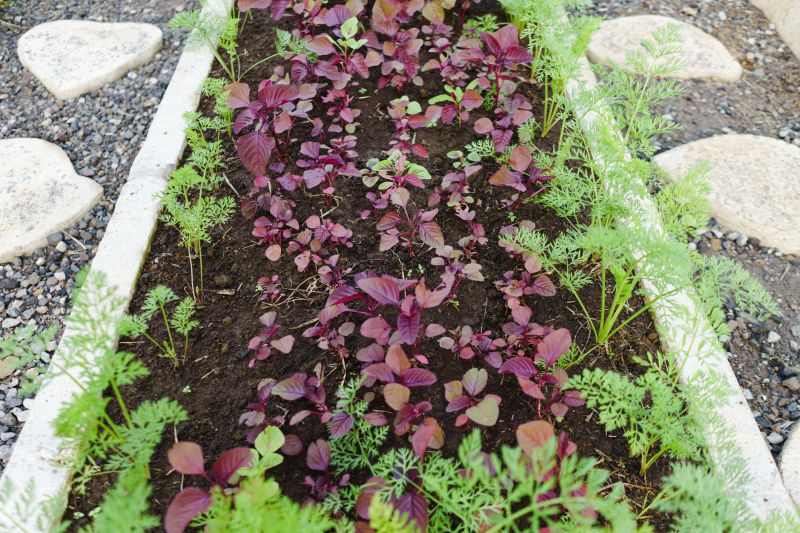
Concrete edging being installed during warm weather, with protective measures in place.
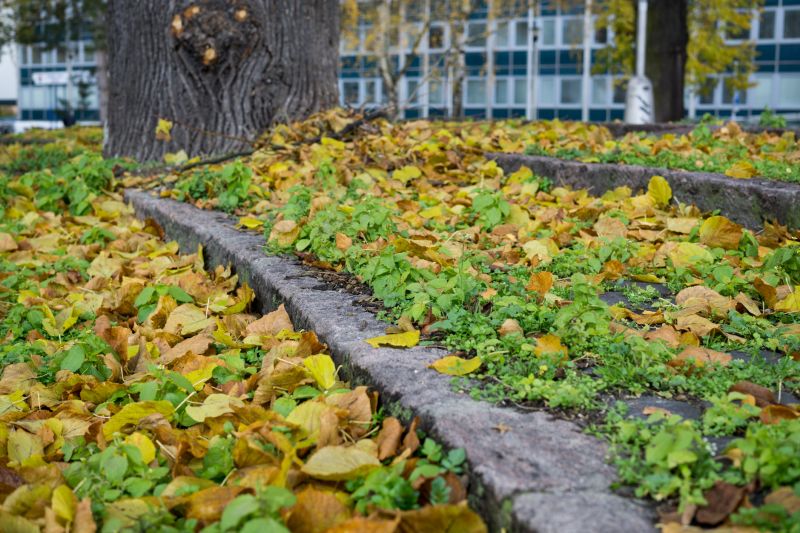
Completed concrete landscape edging with fallen leaves around.
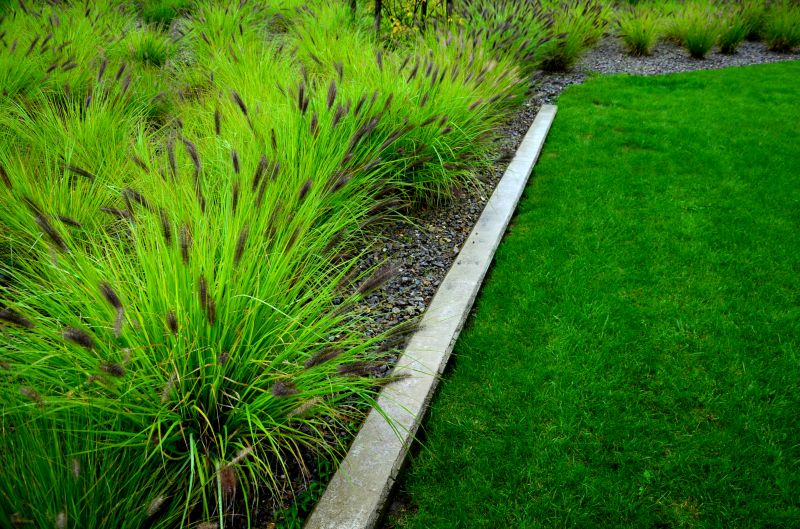
Ways to make Concrete Landscape Edgings work in tight or awkward layouts.
Popular materials for Concrete Landscape Edgings and why they hold up over time.
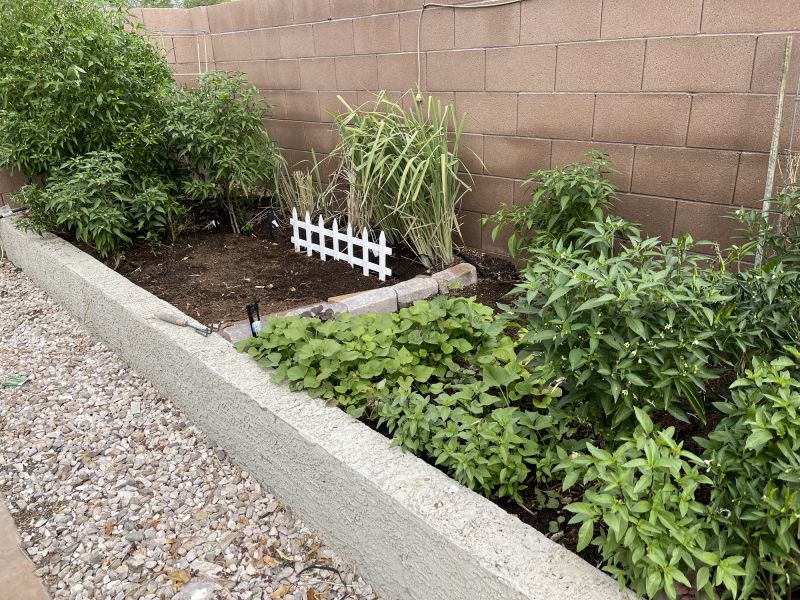
Simple add-ons that improve Concrete Landscape Edgings without blowing the budget.
| Season | Optimal Conditions |
|---|---|
| Spring | Temperatures between 50°F and 70°F, moderate humidity |
| Summer | Early summer with shade and water misting, avoid extreme heat |
| Autumn | Cooler weather, stable temperatures |
| Winter | Not recommended due to freezing temperatures |
Concrete landscape edgings enhance the visual appeal and functionality of outdoor spaces. They provide a clean separation between different landscape elements, prevent soil erosion, and help contain mulch or gravel. Proper installation timing is crucial to prevent cracking, ensure proper curing, and achieve a long-lasting finish.
Statistics indicate that concrete can last for decades when installed under suitable conditions. The curing process, which involves hydration of cement particles, is sensitive to temperature and moisture levels. Installing during optimal weather conditions reduces the risk of surface cracks and structural issues, resulting in a more durable landscape feature.
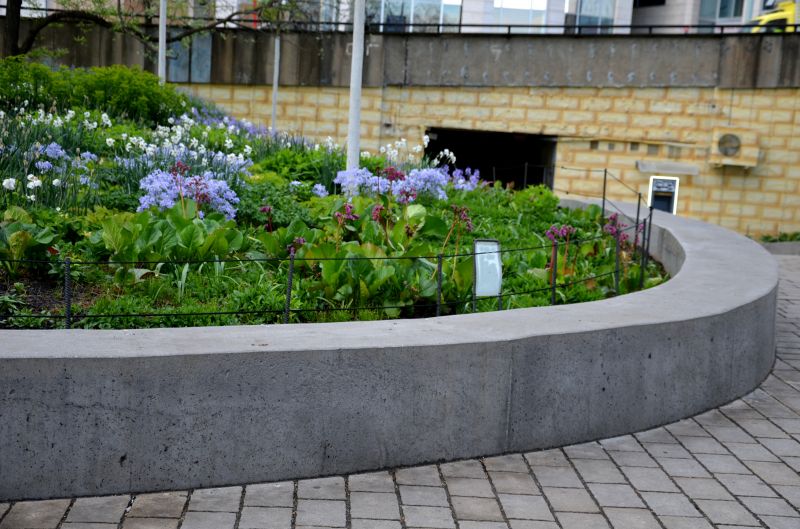
Close-up of smooth concrete edging with a landscaped garden in the background.
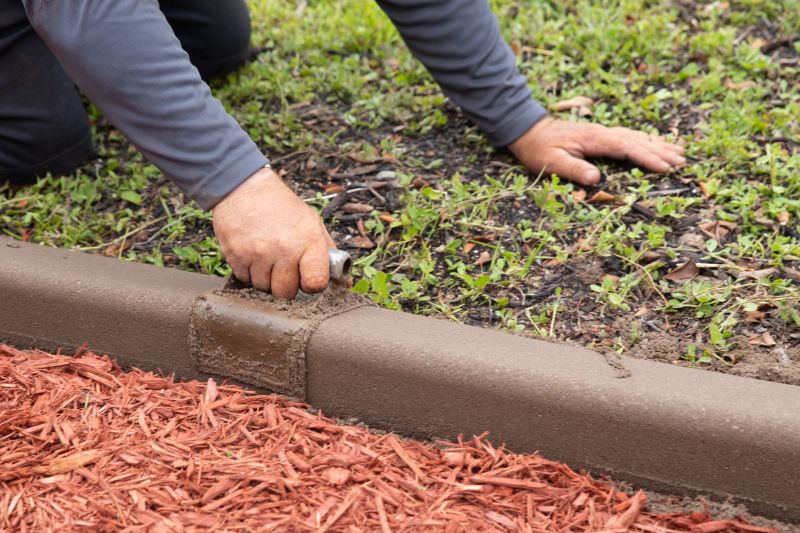
Worker placing concrete edging along a garden bed.
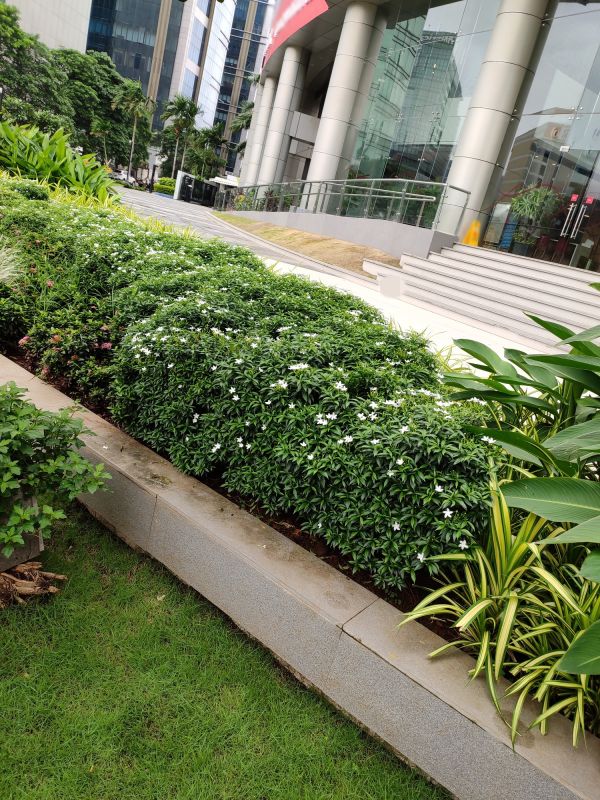
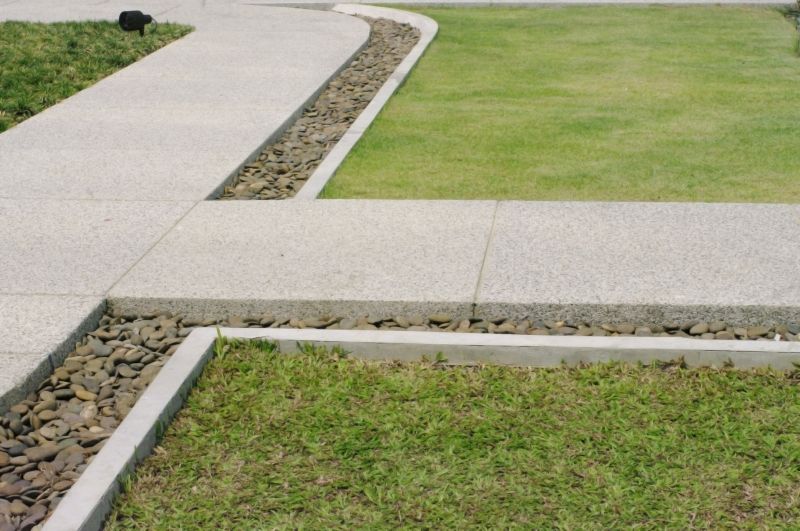
Completed landscape with concrete edges defining lawn and flower beds.
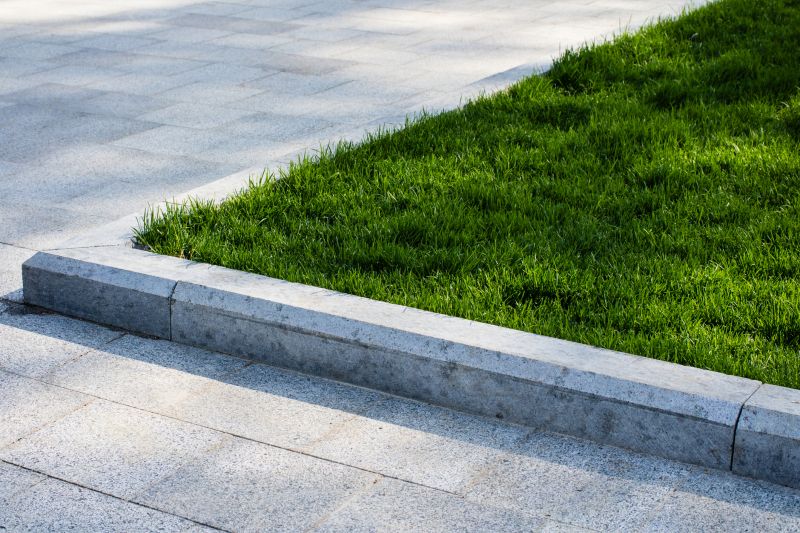
High-end options that actually feel worth it for Concrete Landscape Edgings.
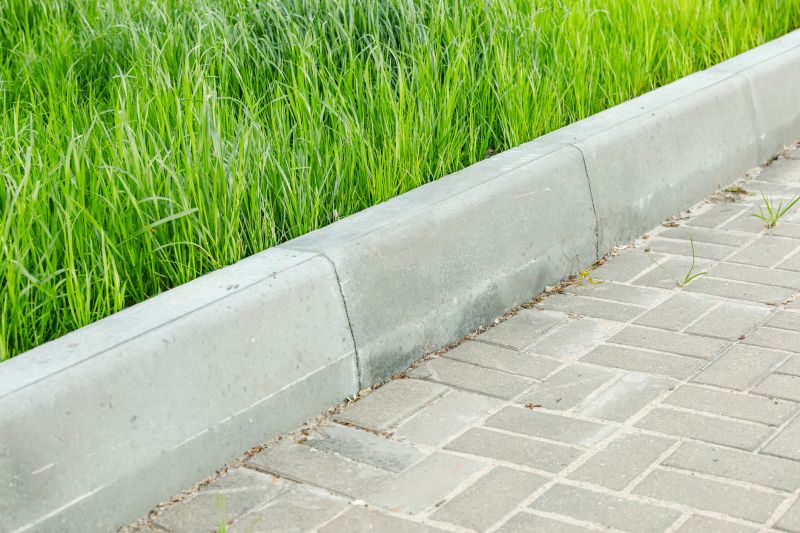
Finishes and colors that play nicely with Concrete Landscape Edgings.
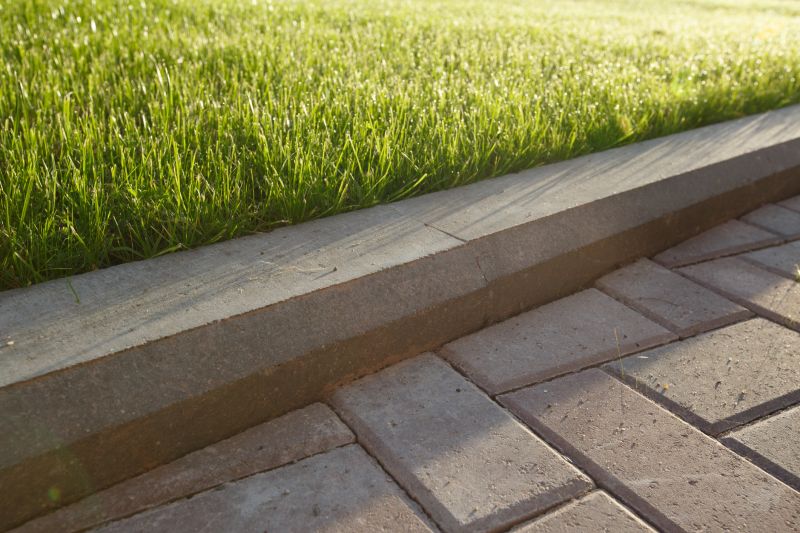
Little measurements that prevent headaches on Concrete Landscape Edgings day.
A 60-second routine that keeps Concrete Landscape Edgings looking new.
A frequent mistake in Concrete Landscape Edgings and how to dodge it.
Interested in installing concrete landscape edgings? Filling out the contact form can provide more information and assistance tailored to specific landscape needs.